The Next Big Thing In The Rollator Walking Aid Industry
What Is a Rollator Walking Aid? A rollator is a tool for walking that aids people keep their balance. This is done by increasing the base-of-support (BoS) when walking. It comes with brakes that can be engaged easily and is able to lock when the user stops or sits on the walker. A comfortable seat and a basket to store personal belongings are also included. 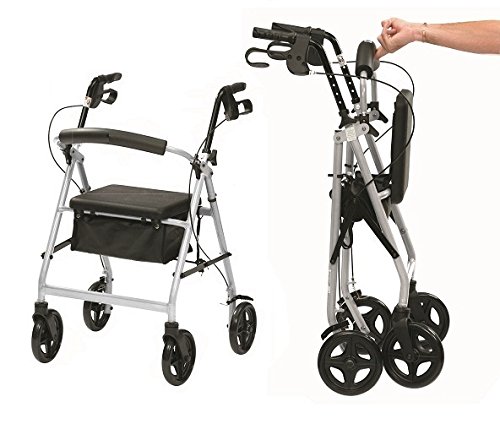 Stability Rollators offer greater mobility and stability compared to traditional walkers. They are a great option for those who have trouble maintaining their balance or require a solid base when walking. These mobility aids can help reduce the strain on joints as well as muscles that are healing, which may help speed up recovery. These mobility devices reduce the load on lower-extremity joints as well as reducing strain on muscles. This is achieved by spreading the weight across a larger area. This reduces the pressure that is felt in the forefoot while walking on hills or uneven surfaces. These devices also help to reduce the discomfort in your forefoot by spreading the force of the plantar on other areas of your foot. The frame of the rollator is a crucial element in terms of stability, since it is what holds the weight of the user. The frame is typically made of sturdy materials like steel or aluminum and guarantees that the device will not buckle or collapse under pressure. Additionally, the handle brakes on the rollator are an essential security feature for users who need to slow down or stop if they're going too fast or picked up too much speed. The frame of a walker that rolls is a sturdy structure, but it does have its limitations. For example the weight and size of the wheels could significantly influence how the device performs in different environments. Certain studies have demonstrated that a walker fitted with large wheels can cause the center of gravity to shift to the front. This could adversely affect the way that the device is used. This is not a concern in the majority of situations however it is something that must be considered when buying an walker. Many professionals recommend using the walker with smaller wheels for those who are planning to spend a lot of time outdoors or in various walking conditions. In addition, the height of the handles should be considered to ensure they are at a level that is comfortable for the user. This will stop them from experiencing shoulder or wrist pain. Support As compared to traditional walkers which offer an upright frame to support, rollators feature four wheels that evenly distribute weight and allow people to move across different terrains without risking falls. This helps them remain mobile both indoors and out and live a more solitary life with confidence. Rollators can be customized using different features, such as adjustable brakes, handles, and wheel sizes to meet specific needs. In addition, some models include a seat for back support and convenient storage options that can enhance daily mobility and comfort. It is essential to use a rollator properly to avoid injuries. It is recommended to have a doctor or physical therapist oversee your transition from using a mobility device. They can prescribe a device for you and recommend the best one for your particular situation. It is also important to follow the instructions given by the manufacturer on how to use your Rollator. This will ensure it is placed at the correct height, and fits comfortably to your body shape. It's also crucial that you keep the device clean and lubricated regularly to increase its performance. When using a rolling walker make sure that you place your weight on the base, not the wheels. Leaning on the wheels can be a safety hazard and cause it to roll over. Don't allow a child to ride on the top of your mobility aid. This could cause the wheels to wear out quicker due to the pressure. The cost could deter some from using an aid for walking. Insurance coverage and financial assistance can help offset costs. For instance, Medicaid and Medicare classify the rollator or walker as durable medical equipment, meaning they will pay a portion of the costs. rollator mymobilityscooters can also be paid for by using flexible spending accounts (FSAs) and health savings accounts (HSAs) and other kinds of accounts. In the end, a rollator is an affordable and effective tool that will allow you to be mobile and independent. Ease of Use A rollator is a great option for those who want to be active and mobile but need a little extra support. It's easy to maneuver and folds easily when not in use. A rollator can improve walking performance by decreasing pressure on joints and muscles and enhancing balance. A typical rollator consists of a frame with anywhere between two and four wheels. The wheels make it easier to move around as you don't have to lift the frame with each step. Some models have a built-in seat so you can stop for a break when needed. The research is still in progress however, it is believed that walking with a walker could relieve certain joints and muscle groups. This could lead to the strength needed for other movements and activities like stair-climbing or balance control while standing or squatting. This could contribute to the increased fall risk seen among older rollator users. It is important to find a walker or a rollator that is comfortable for the user. The ideal is for the handle to be on the same level as the knee that is closest to it, and should be held away from the body. Holding a walker too near the body can cause strain on the neck, back and arms. It's also important to consider the grip of a rolling walker. If it's uncomfortable or doesn't fit the individual's requirements, it could be substituted with a different type of grip. If the grip is too small or hard it is possible to get a grip made of plastic, foam or another soft material could be more comfortable. The walker or the rollator must also be kept at a safe distance from the ground to prevent putting excessive pressure on the legs and feet. This will reduce the risk of slipping or twisting an ankle or knee. It's also a good idea to have an alternate device (like a cane or crutches) in case the rolling walker becomes unstable for any reason. It's not a good idea to leave the rollator on uneven or stair-like floors for prolonged durations of time. Convenience A rollator is a useful mobility aid for those who struggle to walk long distances or suffer frequent falls. It can help reduce the impact of a fall and reduce the strain on joints and muscles that are injured. It can also increase confidence and improve social interaction. If you're thinking about purchasing a rollator, it's important to consider the cost and how your medical insurance will cover it. A lot of Medicare Part B policies classify walkers and rollators as durable medical devices which means they'll pay a portion of the expense after you've met your annual deductible. Medicaid typically covers these devices. Some people use a rollator as an alternative to a cane or walker, but it's best to continue using these other devices for stability and support when walking. A walker, for example, can help you maintain straight posture by ensuring that your arms are level with your hips. Additionally, you can hold it at a comfortable and supportive distance from your body which can prevent you from taking a risk with your posture that could result in a twisted ankle or knee. If you decide to use a walker, it's important to keep in mind that you should not walk while holding it in the direction of your body or close to your body. The handlebars of a standard walker often over the arms of the user, which can cause wrist flexion torque. This can lead to forefoot pain as well as a hallux rigidus, as it reduces the flexor muscle strength in the hands and arms. A walker that rolls reduces this problem by dropping the handles to a level that's more in line with the styloideus ulnae. Another benefit of convenience is that many rollators have a seat which can be utilized when you're running errands in public spaces. This is especially useful when you're out shopping and need to relax and rest your feet. Some models include an oversized tray that sits on top of the seat. This lets you carry snacks or beverages while on the go. Finally, consider whether your device comes with storage for items like your phone, keys and wallet. Some models come with a basket on the front of the frame, whereas others have a storage area located beneath the seat. Some rolling walkers are equipped with a backpack strap that allows for easy transport.